SMALL STEPS. SMARTER MONEY.Made for India
Credit cards

Compare credit cards before you apply

Cashback, fuel and rewards cards from five Indian banks. Pick by how you actually spend, then check fees and eligibility on the bank’s own page.

Partner links: CoinCalc may earn a commission if you are approved through these links, at no extra cost to you. This is not a recommendation — card fees, benefits and approval are decided by each bank. Read our disclaimer.

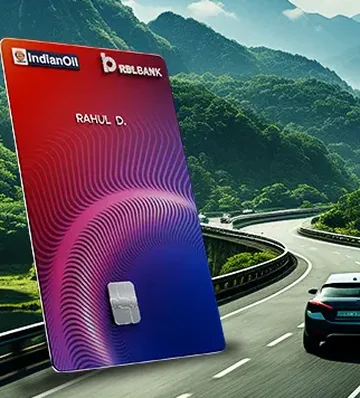
IndianOil RBL Bank XTRA credit card
Fuel · IndianOilRBL Bank

IndianOil RBL Bank XTRA Credit Card

Car and two-wheeler owners with regular fuel spending at IndianOil pumps.

Check eligibility on RBL Bank →
How to choose a credit card

  • Match the card to your biggest spend. Cashback cards suit everyday and online shopping, fuel cards suit regular driving, and rewards cards suit travel and dining.
  • Compare the annual fee with what you would earn. A card that pays ₹2,000 a year in benefits but charges a ₹1,500 fee is worth only ₹500 to you. Many banks waive the fee above a yearly spend.
  • Check the eligibility income first. Each bank publishes minimum income or credit-score requirements; applying only where you qualify avoids unnecessary credit enquiries.
  • Read the reward rules. Cashback caps, excluded categories (fuel, rent, wallet loads) and point-expiry rules decide how much you actually get back.

Use it without paying interest

A credit card is free only if you pay the full statement balance by the due date. Carrying a balance usually costs 3–4% a month — more than 40% a year — so a ₹50,000 unpaid balance can add roughly ₹1,500–₹2,000 of interest in a single month. If you already carry card debt, a personal loan at a lower rate can be cheaper; compare the EMI with our personal loan calculator. To set a sensible monthly limit, start with the 50/30/20 budget calculator.

Frequently asked questions

How do I choose the right credit card?
Start with where you spend most — groceries and online shopping suit a cashback card, frequent driving suits a fuel card, and travel or dining suits a rewards card. Then compare the annual fee against the value you would realistically earn, and check the eligibility income on the bank’s page.
How much interest do credit cards charge?
Banks typically charge around 3–4% a month on unpaid balances, which works out to well over 40% a year — far more than a personal loan. Paying the full statement balance by the due date every month avoids interest entirely; paying only the minimum due does not.
Does applying for a credit card affect my CIBIL score?
Each application usually triggers a hard enquiry on your credit report, and several in a short time can lower your score. Using less than about 30% of your credit limit and paying on time helps your score over the long run.
Is a credit card a good idea on a first salary?
It can be, if you treat it as a payment tool rather than extra money: put only planned spends on it and pay the full bill each month. Our 50/30/20 budget calculator helps you set a monthly spending limit first.